Blog
Notes from inside the deployment
Our engineering teams on systems in production: what held, what we changed and why.
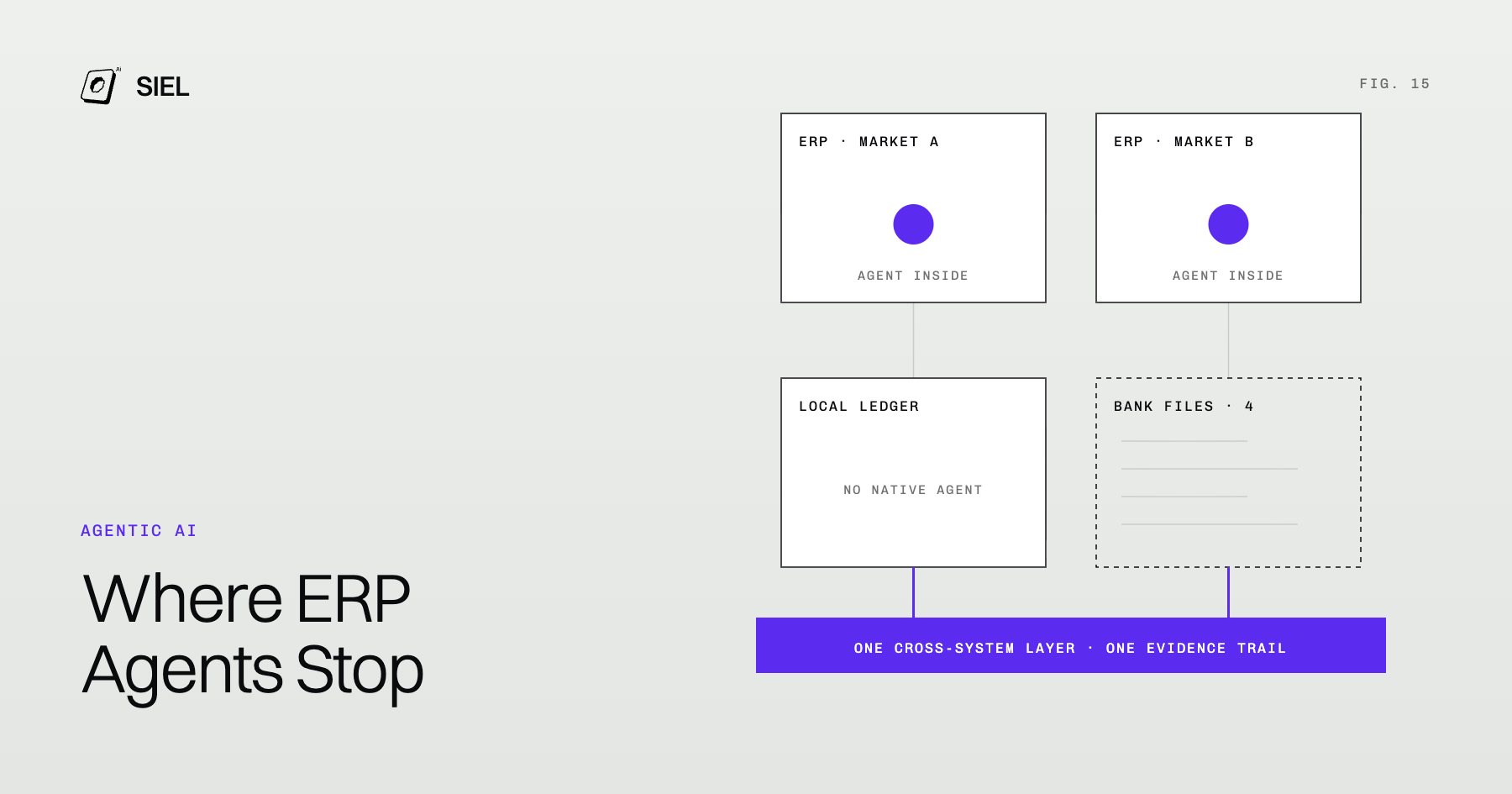
Where ERP Agents Stop
Agentic AI8 min
The agents now shipping inside Dynamics 365 and Business Central are useful and deliberately bounded. They prepare and recommend inside one ERP; posting, approval and anything that crosses systems stay with you. How to use them, and what is still worth building.
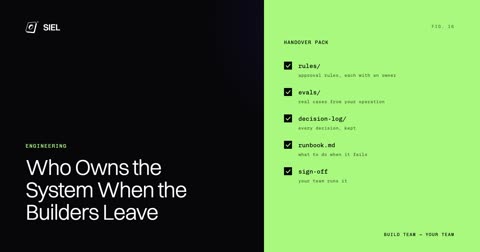
Read the article- Who Owns the System When the Builders LeaveMost handovers transfer documents. Ownership means the client's team can change the system safely without calling the people who built it. The quality of a handover is set by the smallest change the team is afraid to make.Alexandru Bene5 min
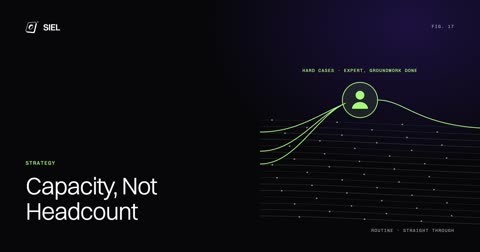
- Capacity, Not HeadcountA steering committee asked how many FTEs an order desk automation would save. The better question was how much demand the desk turned away. Why the headcount case caps growth, why context and judgement are worth more as answers get cheap, and how that changes what we automate, measure and decline.Subash Natarajan6 min
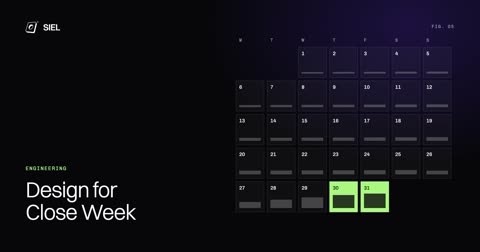
- Design for Close WeekFinance automation is sized on the average month and judged at month-end, when volume, deadlines and scrutiny peak together. How the close calendar should set capacity, scheduling, cut-off rules, release freezes and the first parallel close.Kris Payne6 min
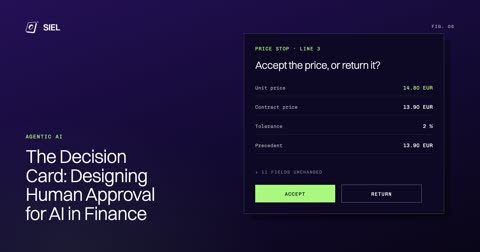
- The Decision Card: Designing Human Approval for AI in FinanceFifty-five approvals in four minutes is a signature, not a control. How we design the card a treasurer sees when an AI system stops for a person, which batches are allowed, and how we measure whether review is happening.Alexandru Bene5 min
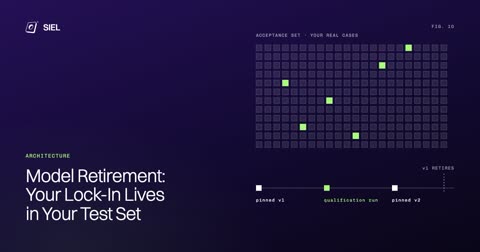
- Model Retirement: Your Lock-In Lives in Your Test SetEvery hosted model a workflow depends on will be retired, and its replacement will be better on average and different in the particular. Lock-in is set by whether you own the cases that can qualify a replacement. How we pin, qualify on error profile and churn, and write the exit into the handover.Subash Natarajan8 min
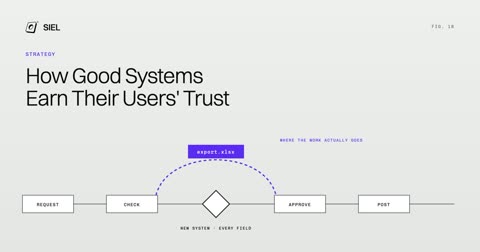
- How Good Systems Earn Their Users' TrustThree weeks after go-live, a senior warehouse lead was re-checking every goods receipt the system had confirmed against a printed list. Adoption on the operations floor is calibrated trust, and the number that moves it is correction latency: how fast the system changes when an expert corrects it.Alexandru Bene6 min
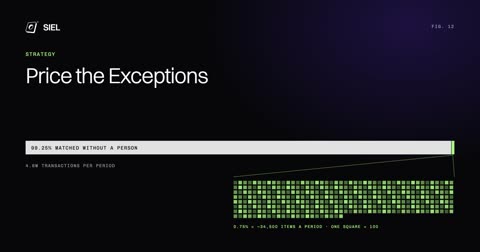
- Price the ExceptionsAutomation rate is the number on the steering committee slide. The cost, the risk and most of the skill sit in the remainder, and growth adds new kinds of exception faster than it adds volume. The exception ledger we keep for every workflow and the payback rule for new automation.Kris Payne6 min
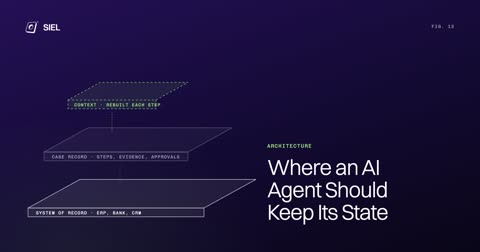
- Where an AI Agent Should Keep Its StateAn agent system holds three kinds of state: the system of record, the case record and the model's working context. Most production failures we are asked to review come from treating the third as one of the first two, and from plans that go stale while the agent works.Subash Natarajan8 min
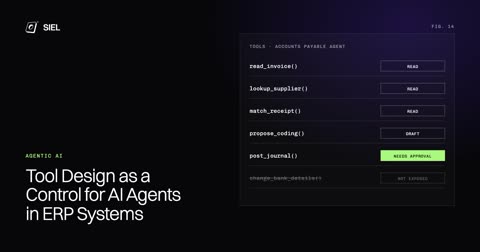
- Tool Design as a Control for AI Agents in ERP SystemsThe prompt says what an agent should do. The tools decide what it can do. We design enterprise agent tools as business verbs with contracts, not API wrappers, and publish them as a manifest an IT lead and an auditor can read.Alexandru Bene6 min
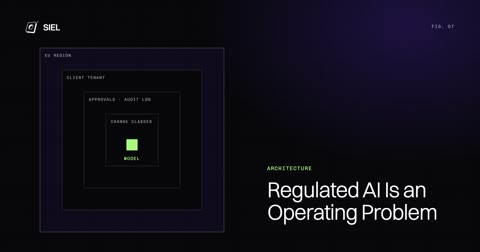
- Regulated AI Is an Operating ProblemHosting, data minimisation, change control and evidence decide whether AI may run in a regulated operation. They change the design, not only the paperwork, and two of them pull in opposite directions.Subash Natarajan5 min
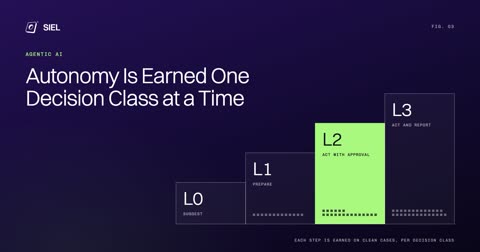
- Autonomy Is Earned One Decision Class at a TimeSponsors ask when the approvals can be switched off. Autonomy is not a setting on an agent. It is a credit limit on each class of decision: granted on evidence, enforced by the tools the agent is offered, and cut back by rule.Subash Natarajan7 min
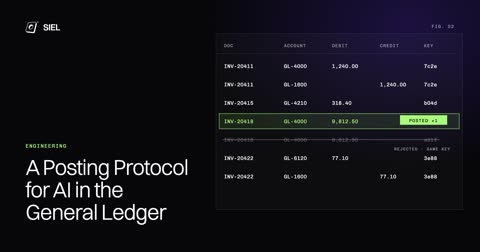
- A Posting Protocol for AI in the General LedgerMatching bank lines gets the attention. Writing to the ledger decides whether every entry can still be explained. Business keys, period checks, one front door, and the rule that automation never corrects its own entries.Kris Payne6 min
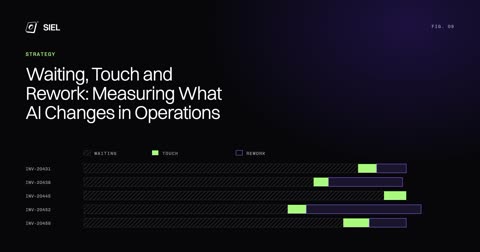
- Waiting, Touch and Rework: Measuring What AI Changes in OperationsHours saved is usually the least reliable number in an AI business case, because it counts waiting as work. How we build a value statement a CFO can defend a year later: waiting, touch and rework measured apart, a staggered rollout as the counterfactual, and no revenue claim without a measured link.Alexandru Bene5 min
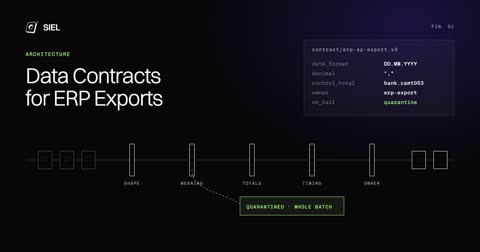
- Data Contracts for ERP ExportsA language model will read a changed export without complaint, which is exactly why it must never sit at a data boundary. The contract we enforce on every batch: shape, meaning, completeness, timing and ownership, with quarantine instead of repair and a contract that later becomes the migration spec.Subash Natarajan7 min
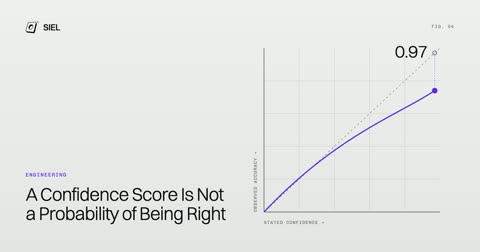
- A Confidence Score Is Not a Probability of Being RightThe number a model reports next to its answer is not the chance that it is correct, and the segments it is most reliable on are where its worst errors hide. We replaced confidence thresholds with a licence per segment, earned on reviewed cases and revoked automatically.David Grayhurst6 min
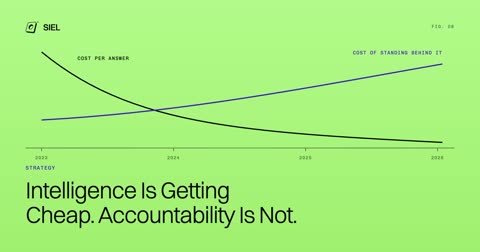
- Intelligence Is Getting Cheap. Accountability Is Not.The price of a model answer is falling faster than any enterprise can plan around. The cost of standing behind that answer is not falling at all. Where durable value in enterprise AI will sit, and what that means for the business case, the architecture and the vendor contract.Anubhai Mehta7 min
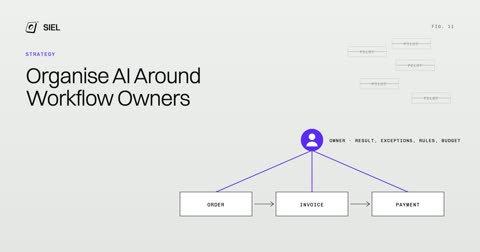
- Organise AI Around Workflow OwnersThe AI centre of excellence was built around the scarce skill of 2023: knowing how models work. That skill is becoming cheap. What stays scarce is an owner accountable for a workflow's results and engineers who can connect AI to the systems it runs on. How to reorganise before the pilot list gets any longer.Anubhai Mehta5 min